Sudan: RSF's Horrific Use of Sexual Violence
Warning: this article contains descriptions of sexual violence and torture.
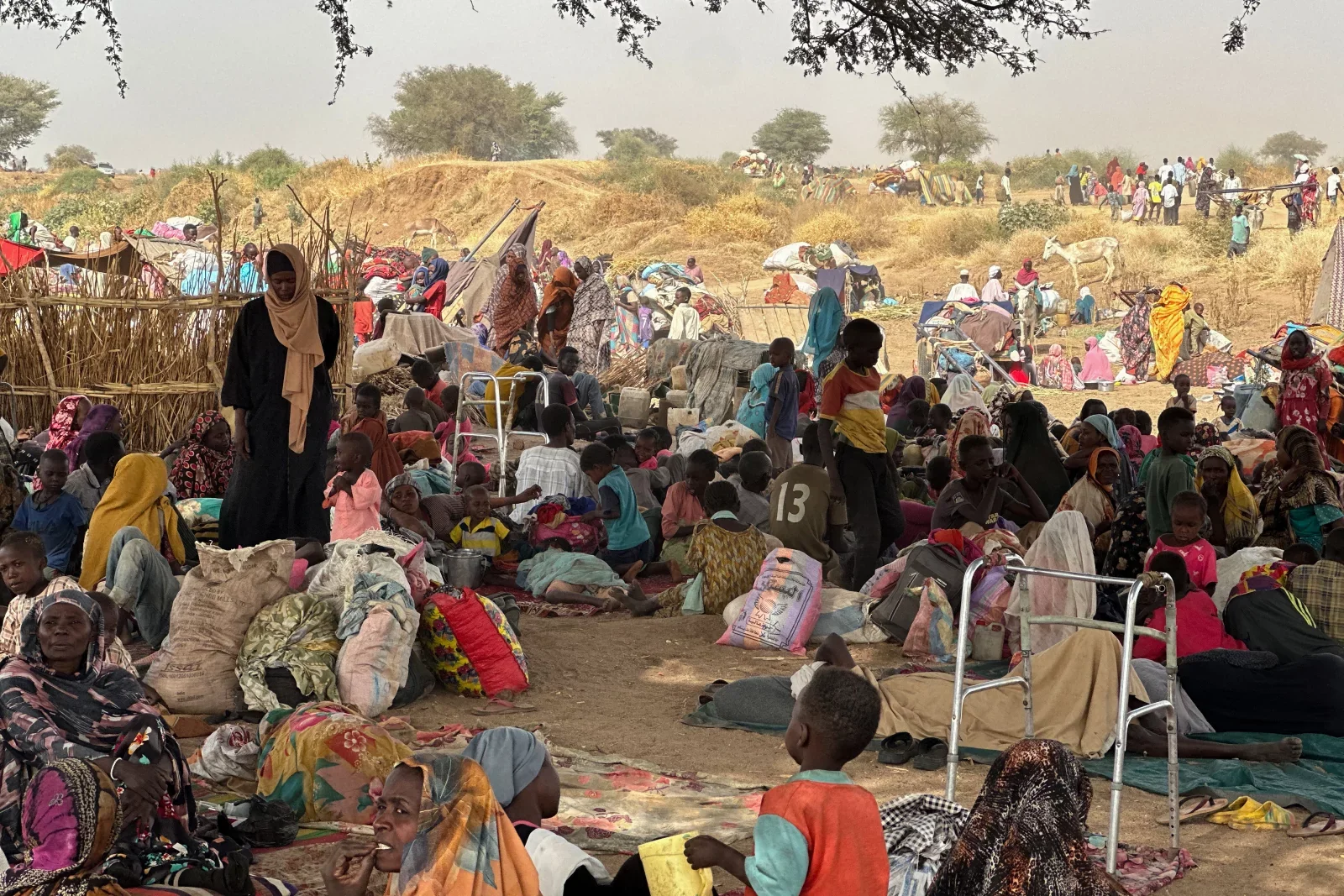
The Rapid Support Forces (RSF) has inflicted widespread sexual violence on women and girls throughout Sudan's two-year civil war to humiliate, assert control and displace communities across the country. The RSF's atrocities, including rape, gang-rape and sexual slavery, amount to war crimes and possible crimes against humanity, according to Amnesty International.
A new report, "They raped all of us: Sexual violence against women and girls in Sudan," documents RSF soldiers raping or gang-raping 36 women and girls as young as 15, plus other forms of sexual violence, in four Sudanese states between April 2023 and October 2024. Violations include raping a mother after tearing away her breastfeeding baby and the 30-day sexual enslavement of a woman in Khartoum, as well as severe beatings, torture with hot liquid or sharp blades, and murder.
"The RSF's assaults on Sudanese women and girls are sickening, depraved and aimed at inflicting maximum humiliation. The RSF has targeted civilians, particularly women and girls, with unimaginable cruelty during this war." — Deprose Muchena, Amnesty International Senior Director for Regional Human Rights Impact
Sudan's civil war erupted in April 2023 between the RSF and Sudanese Armed Forces (SAF), killing tens of thousands of people and displacing more than 11 million to date. Both sides have committed serious violations of international humanitarian law, some of which amount to war crimes, including sexual violence against women and girls.
For the report, Amnesty interviewed 30 people, mostly survivors and relatives of survivors in Ugandan refugee camps. All survivors and witnesses identified RSF fighters as perpetrators. The RSF's use of sexual violence throughout the conflict and across Sudan, combined with the fact that many attacks took place in the presence of other soldiers, victims and other civilians, indicates perpetrators did not feel compelled to hide their crimes and did not fear any response.
'The most horrific day in my life'
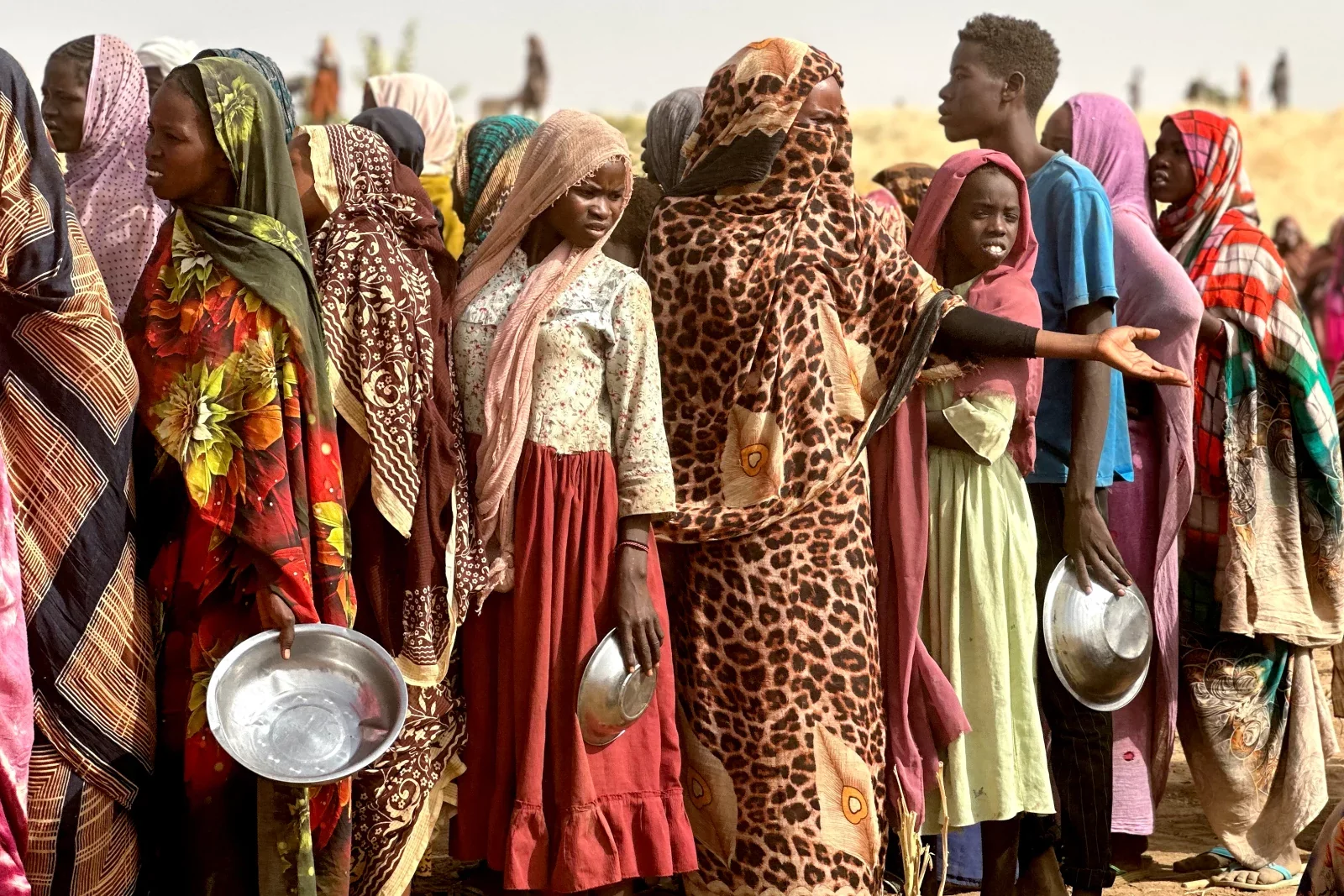
Every survivor of sexual violence who was interviewed described how the attack caused massive physical or mental harm, and had devastating impacts on their families. All fled their homes after.
In Nyala, South Darfur, RSF soldiers tied a woman to a tree before one raped her as the others watched. "It was the most horrific day in my life," she said.
In Madani, Gezira, three RSF soldiers gang-raped a woman in front of her 12-year-old daughter and sister-in-law. "It was so humiliating," the woman said. "I feel broken."
"The RSF's attacks on civilians are shameful and cowardly, and any countries supporting the RSF, including by supplying them with weapons, shares in their shame." — Deprose Muchena
Numerous survivors said RSF soldiers raped them on suspicion of SAF affiliation. Female medical workers said RSF troops raped them if they could not save wounded soldiers. In one such case, a nurse said 13 soldiers abducted her in Khartoum North and forced her to treat severely injured men before gang-raping her, leaving her unconscious.
Amnesty found two cases of sexual slavery in Khartoum, including a woman who said RSF troops held her captive in a house for a month, raping her almost daily.
Survivors said anyone who resisted rape risked beatings, torture and other ill-treatment, or murder, including an 11-year-old boy who an RSF soldier beat to death as he tried to help his mother.
A 'reprehensible' response
The world's response has likewise been shameful as victims and survivors lack both health care and justice.
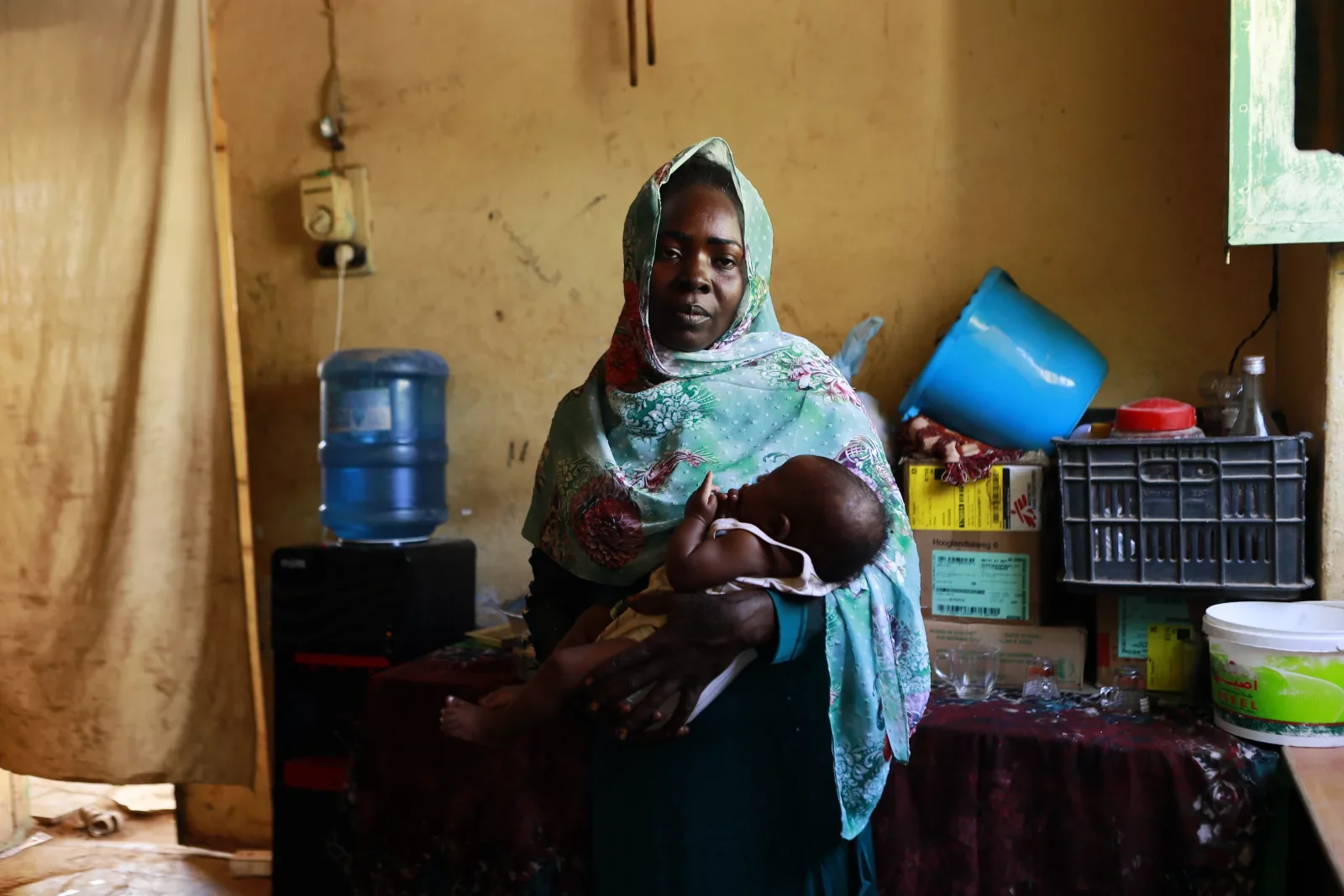
No survivors accessed timely post-rape care or reported attacks to Sudanese authorities due to ongoing fighting or fear of stigma and reprisals. Some suffer kidney pains, irregular periods, walking difficulties or long-term psychological trauma. Children who saw relatives raped suffer nightmares.
As refugees, all survivors said their priority was to get medical treatment for injuries and diseases inflicted by the RSF or for health conditions developed in their captivity. However, cuts to vital USAID-funded programmes have diminished prospects for accessing comprehensive sexual health care.
"The international response to the suffering of Sudanese women and girls has been reprehensible. The world has failed to protect civilians, provide sufficient humanitarian aid or hold perpetrators accountable for these crimes." — Deprose Muchena
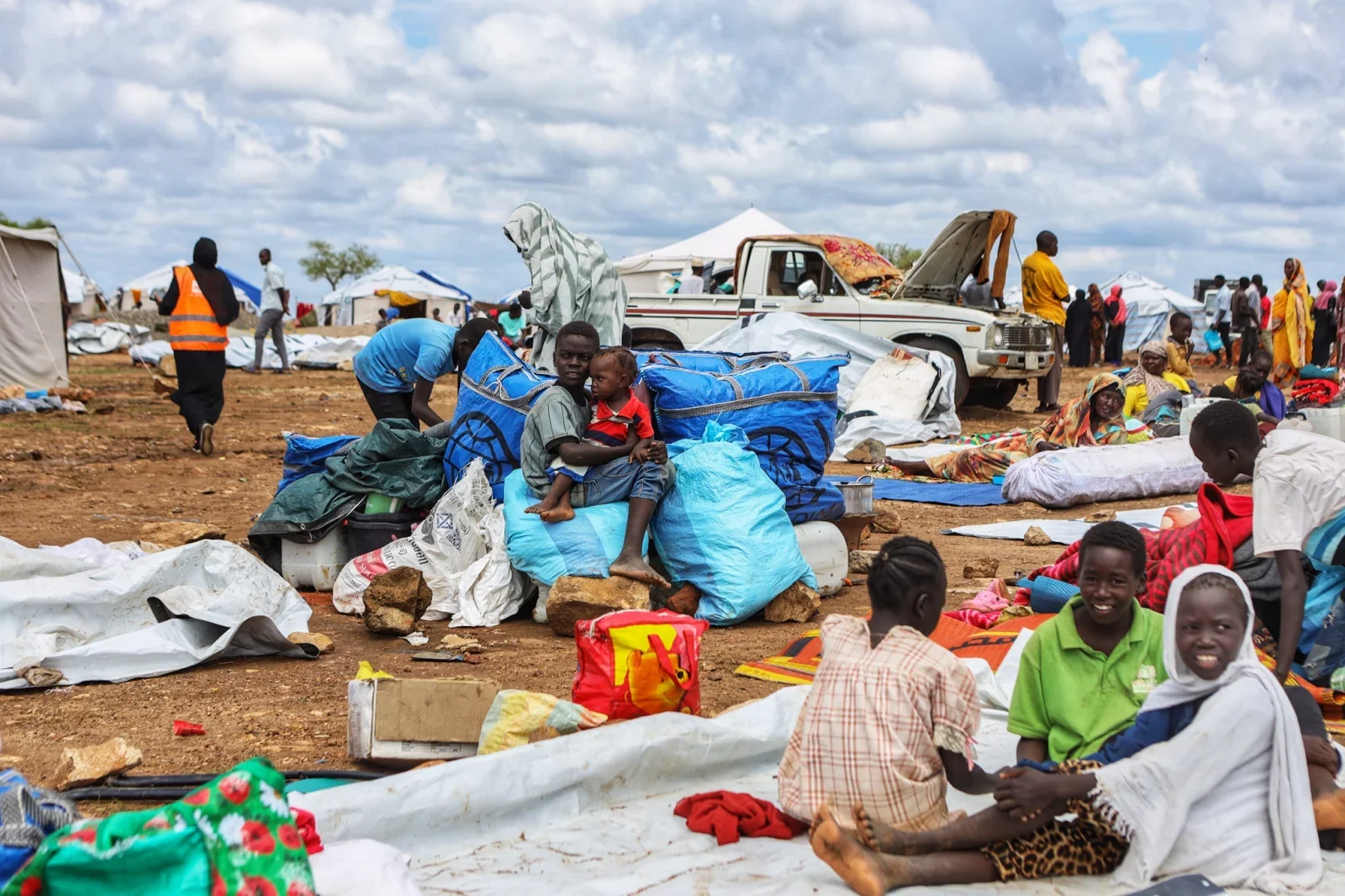
Survivors also demanded justice and accountability. One woman raped in Omdurman said: "Women are not leading or participating in this war, but it is women who are suffering the most. I want the whole world to know about the suffering of Sudanese women and girls and ensure that all the bad men who raped us are punished."