Women on the Frontline: The Hidden Face of Sudan's War
Women on the Frontline: The Hidden Face of Sudan’s War and the Struggle to Survive under the RSF’s Shadow
Sudan’s war, which began in April 2023, has dragged on for over three years. From Khartoum to
Darfur, it has shattered cities and lives — and
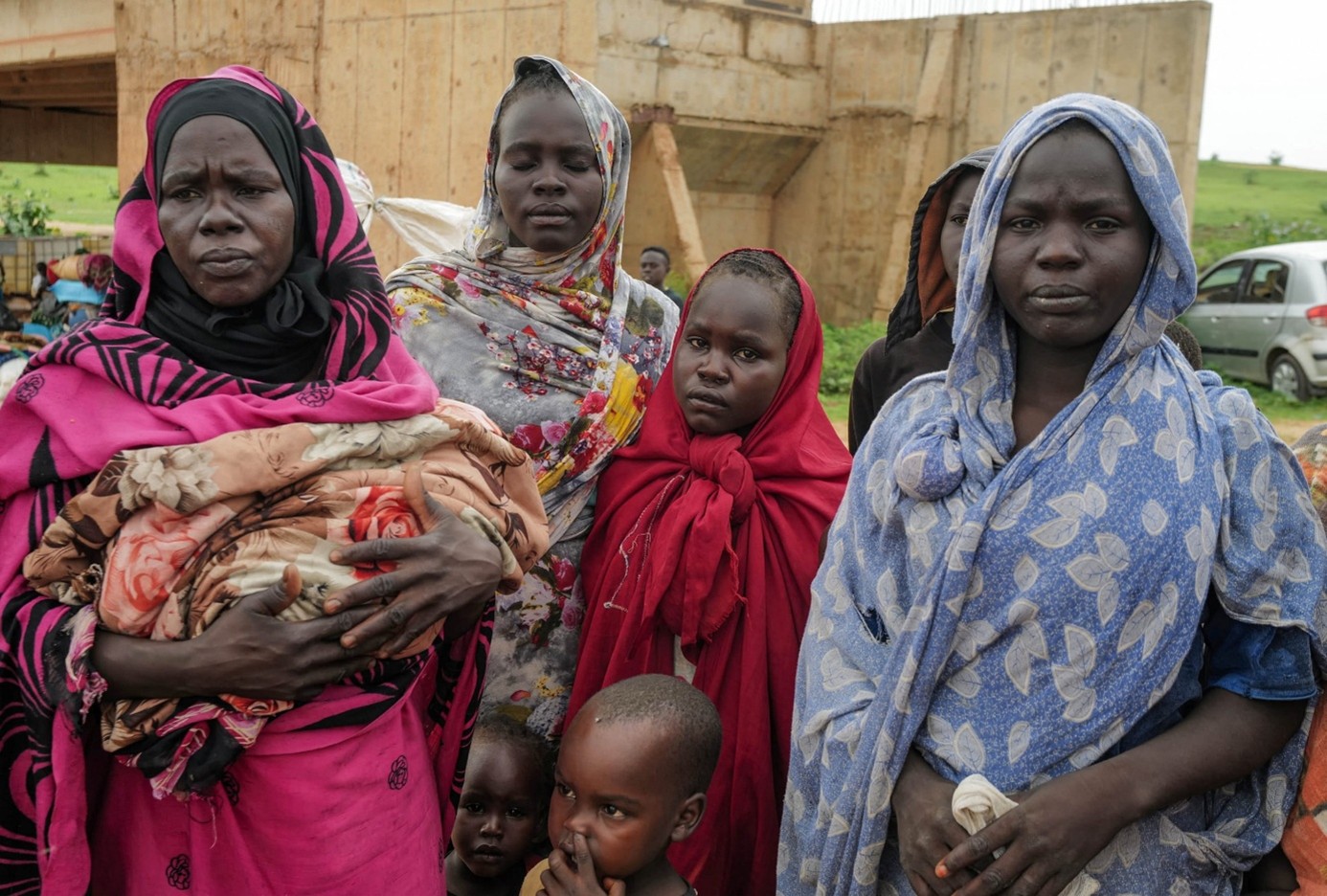
women have paid the heaviest price. According to the UN and its partner agencies,
this is one of the world’s largest humanitarian crises: over 30 million people need aid, and
millions of women and girls face direct risk.
(Source: UN OCHA; UNHCR reports)
In El Fasher, the capital of North Darfur, a prolonged siege since 2024 has
trapped women between hunger, disease, and violence. OCHA and WFP report that the city has been
cut off from humanitarian access for months, leaving hundreds of thousands facing starvation.
(Source: OCHA Situation Updates; WFP field reports)
Medical evidence from the field exposes the systematic nature of sexual violence.
Médecins Sans Frontières (MSF) documented more than 80 testimonies from El Fasher
and Zamzam camp between 2024 and 2025, detailing rape, abduction, and village raids against
civilians.
(Source: MSF Sudan updates 2024–2025)
Independent human rights organizations confirm that in RSF-controlled areas, women and girls face
sexual violence on a massive scale — crimes that amount to war crimes or even crimes against
humanity. Human Rights Watch’s findings from Khartoum and South Kordofan detail
gang rapes, sexual slavery, and ethnically charged assaults.
(Source: Human Rights Watch Sudan reports 2024)
The UN Human Rights Council’s Fact-Finding Mission on Sudan has also
documented widespread sexual violence, naming the RSF and its allies as primary perpetrators and
warning that these acts likely constitute war crimes and crimes against humanity.
(Source: UNHRC Fact-Finding Mission on Sudan, 2024)
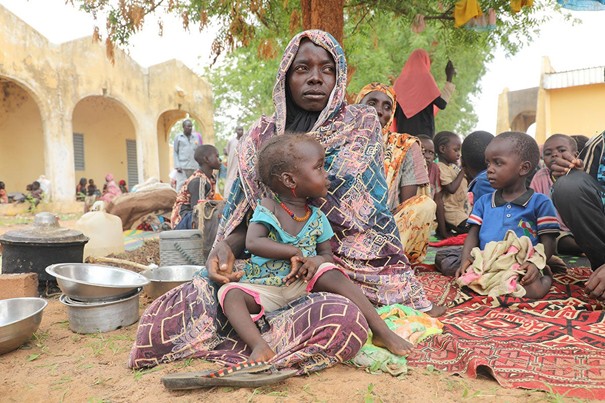
The crisis has had a devastating effect on women’s health. UNFPA reports that pregnant and
breastfeeding women are acutely malnourished and lack access to reproductive and sexual-health
services. Tens of thousands require urgent GBV (gender-based violence) support.
(Source: UNFPA Sudan Humanitarian Update 2024)
The siege of El Fasher has turned hunger into a weapon of war. Medical and media
reports show a rise in starvation-related deaths and describe women risking assault just to
collect food or water.
(Source: Reuters, Al Jazeera, OCHA 2024)
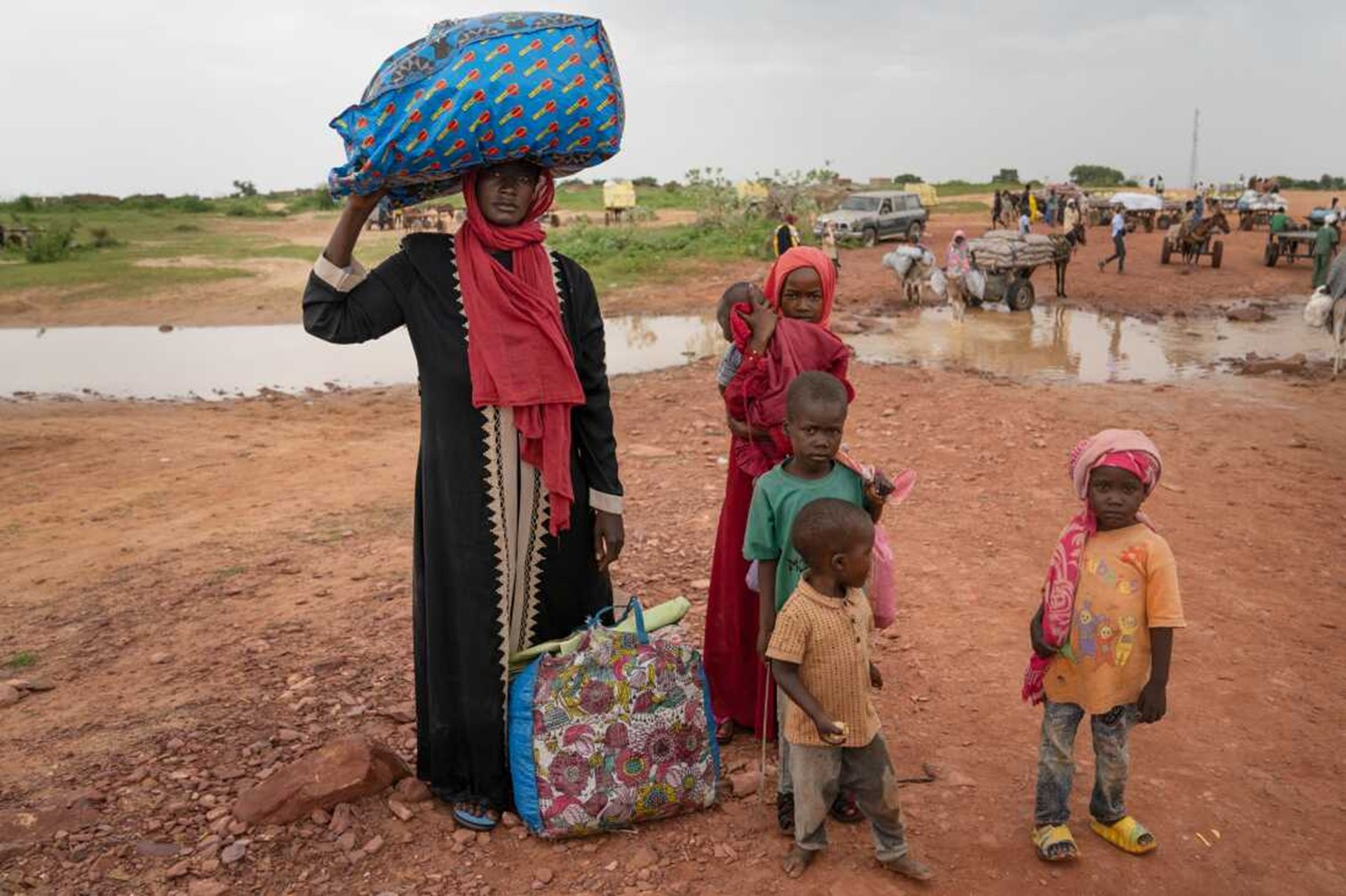
Field analyses show the RSF tightening its grip around El Fasher; displacement, sexual violence,
and starvation move hand-in-hand. Independent think-tank and NGO data describe the situation as
“catastrophic.”
(Source: International Crisis Group; MSF; policy briefs 2024)
The scale of gender-based violence cannot be explained by individual acts alone. Reports from
UN Women and the
UN Secretary-General on Conflict-Related Sexual Violence (CRSV) describe women in
Sudan as “safe nowhere,” warning that CRSV levels are alarmingly high.
(Source: UN Women; UN SG Report on CRSV 2024)
Accusations that the United Arab Emirates (UAE) supports the RSF have become a
critical focus of debate, as such backing could be prolonging the conflict and the suffering of
women. International media and experts report credible allegations that weapons were delivered to
the RSF through Chad, while the UAE categorically denies any involvement. The UN
Security Council’s Panel of Experts on Sudan listed external support allegations as an area
of investigation in its 2025 report.
(Source: UN Panel of Experts on Sudan 2025; BBC; CNN; Reuters)
Despite the horror, Sudanese women continue to resist. Through field clinics, safe spaces, and
grassroots networks, they provide lifesaving services. UNFPA’s safe spaces and mobile teams
offer post-rape care and psychosocial support to survivors, filling critical humanitarian gaps.
(Source: UNFPA; local NGO reports)
In conclusion, the impact of Sudan’s war on women is
a multi-layered catastrophe — siege and starvation, mass displacement,
health-system collapse, and the weaponization of sexual violence. Until the siege of El Fasher is
lifted, humanitarian access is secured, and perpetrators — including the RSF and its support
networks — are held accountable, real recovery remains impossible. The international
community must urgently act: enforce ceasefire pressure, preserve evidence, ensure independent
investigations, and provide long-term support for survivors.
(Source: UNHRC; OCHA; MSF; HRW; UN Women)