Crimes Against Humanity in Sudan by RSF
'Crimes against humanity' in Sudan by RSF
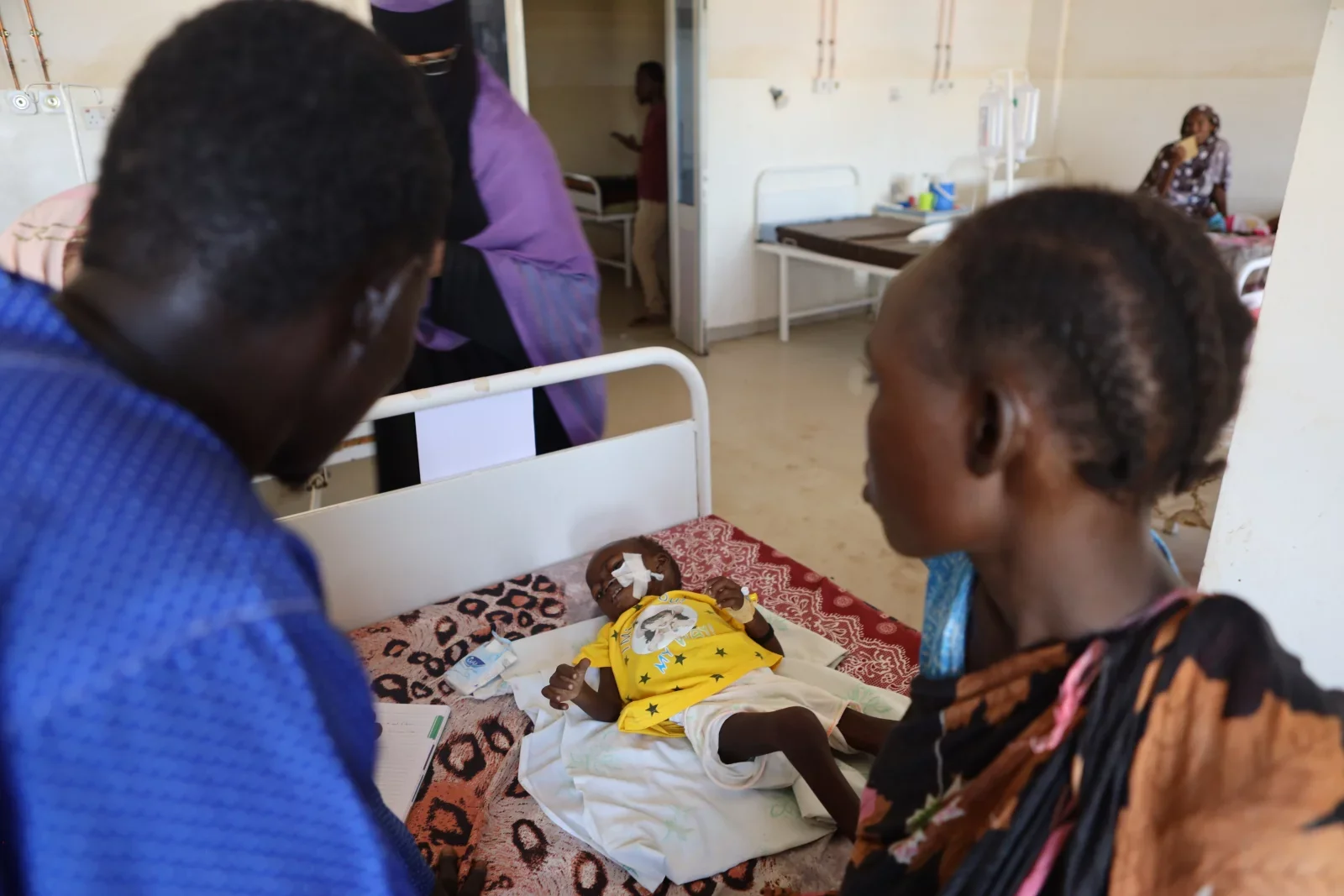
On the morning of April 15, 2023, residents of Sudan's capital, Khartoum, faced the shock of fighting breaking out in their city, which rapidly spread to other parts of the country. Three years on, Sudan's conflict, which pits the Sudanese Armed Forces (SAF) against the Rapid Support Forces (RSF), and a multitude of armed groups and militias allied to these forces, has ravaged the country. The lives of tens of millions have been shattered, while tens of thousands of civilians have died.
The Rapid Support Forces (RSF) and their allies have committed crimes against humanity and widespread war crimes, including as part of a campaign of ethnic cleansing in Darfur. The SAF and their allies have also committed war crimes. Both sides have hampered aid, contributing to famine. Their leaders should be held to account.
Below are major Human Rights Watch reports documenting some of the serious civilian harm in the conflict and three of our key recommendations aimed at addressing the country-wide atrocities.
- Habila, Fayu, and Dibeibat, South Kordofan state: The RSF fighters and allied militias,
beginning in September 2023, committed widespread sexual violence against dozens of predominantly
Nuba women and girls, including in the context of sexual slavery. The abuses were part of a
broader attack against Nuba communities during fighting in South Kordofan state. Such acts of
sexual violence, including sexual slavery, constitute war crimes and may constitute crimes against
humanity.
- Habila and Fayu, South Kordofan: The RSF and allied Arab militias carried out numerous abuses in
South Kordofan including killings, rapes, and abductions of ethnic Nuba residents, as well as the
looting and destruction of homes from December 2023 to March 2024 during fighting involving the
RSF, SAF and the Sudan People's Liberation Movement-North, an armed group.
- Gezira state: The RSF attacked dozens of villages, killing, injuring, and unlawfully detaining scores of civilians, following the defection of Abu Aqlaa Keikel and his troops -until then the RSF's top commander in Gezira-to the SAF in late October 2024. Local groups reported widespread rape in the context of these attacks.
- El Fasher, including Abu Shouk camp, North Darfur state: From April 2024 onward, the RSF have carried out unlawful attacks using explosive weapons in populated areas of El Fasher, North Darfur's capital, killing hundreds of civilians and forcing tens of thousands to flee. The RSF burned down residential areas and at least once deliberately targeted a hospital, a war crime.
- Khartoum area: The RSF forces in Khartoum and its sister cities have committed widespread conflict-related sexual violence, including gang rape and rape, predominantly of girls and women, although men were not spared. Conflict related sexual violence is a war crime and may constitute a crime against humanity. The forces also committed child and forced marriage. RSF have attacked local responders seeking to respond to the sexual violence crisis and have targeted healthcare workers and facilities, which are war crimes.
- Country wide: Sudan's conflict has created a catastrophic hunger crisis, with warring parties deliberately blocking aid and looting food supplies, leaving millions throughout the country facing starvation. RSF have also targeted aid workers and local responders seeking to respond to the crisis.
- El Geneina, including its suburb of Ardamata, West Darfur: Some of the conflict's worst atrocities in 2023 occurred in El Geneina, West Darfur, where the RSF and allied militias, including the Tamazuj armed group, committed crimes against humanity and widespread war crimes in the context of an ethnic cleansing campaign against the ethnic Massalit and other non-Arab populations. Fighters executed civilians, attacked fleeing crowds, raped women and girls, and burned entire neighborhoods, killing at least thousands of people and forcing hundreds of thousands to flee to neighboring Chad. The RSF leadership, including in West Darfur, and three commanders from allied militias were identified as bearing command responsibility. The particular context of the widespread killings should be further investigated to identify whether there was genocidal intent in the conduct of the campaign against the Massalit community.
- El Geneina, West Darfur: Conflict-related sexual violence has been an inherent part of the RSF and its allies' campaign of ethnic cleansing in West Darfur. Between April and June 2023, the RSF and allied militias raped dozens of Massalit women and girls in El Geneina and along routes to Chad. Survivors reported gang rapes and rapes with attackers often targeting them based on their Massalit ethnicity and/ or their profile within the community.
- Misterei, West Darfur: Rapid Support Forces (RSF) and allied militias stormed the town of Misterei, West Darfur, in May 2023, as El Geneina was also under attack. They summarily executed at least 28 ethnic Massalit men and boys and killed and injured dozens of civilians. The forces looted homes and businesses and burned entire neighborhoods to the ground.
- Khartoum, and its sister cities of Omdurman and Bahri, El Fasher, Nyala, El Geneina (Darfur), El Obeid (North Kordofan): From the first days of the conflict, RSF used explosive weapons in densely populated areas, killing and injuring civilians. Shelling and airstrikes hit homes, hospitals, and markets, destroying critical infrastructure and worsening the humanitarian crisis.
Protection of Civilians, Including Through the Deployment of a Mission to Protect Civilians
Given the scale of the atrocities across the country, the warring parties' complete disregard for
the basic laws of war, the withdrawal of peacekeeping forces from Darfur before the conflict, and
the ongoing aid access restrictions and attacks on local responders, the need for robust actions
to protect civilians, including through the deployment of a mission to protect civilians, remains
essential.
Respect, Expansion of the Arms Embargo
Warring parties have acquired apparently new foreign-made equipment produced by companies
registered in China, Iran, Russia, Serbia, and the UAE -including armed drones, truck-mounted
multi-barrel rocket launchers, drone jammers, and anti-tank guided missiles-and used them in
regions of Sudan including Darfur, where a UN arms embargo is still in effect. Human Rights Watch
documented incidents in which such equipment is being used in apparent unlawful attacks. The
United Nations Security Council should ensure compliance with the existing arms embargo, expand
its restrictions on the Darfur region to all of Sudan and hold violators to account.
Justice for Ongoing Violations
Impunity for crimes in Sudan has emboldened rights abusers to commit further grave crimes during
the current fighting. UN member states, the African Union, and the European Union, should back the
International Criminal Court's ongoing Darfur work and an expansion of its jurisdiction to the
entire country, support the establishment of an internationalized justice mechanism for Sudan, and
encourage universal jurisdiction cases, which allow other countries to prosecute the world's worst
crimes regardless of where they took place.