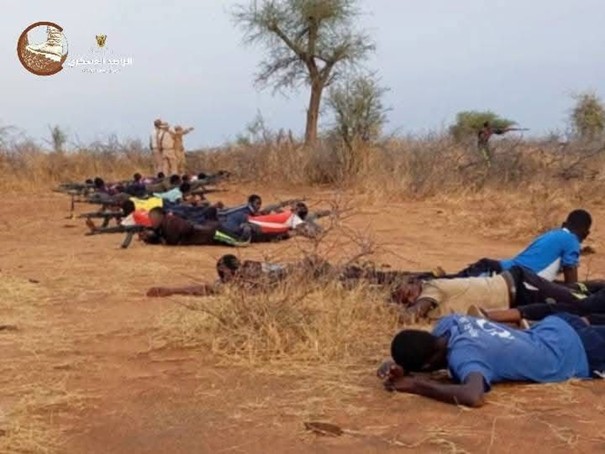
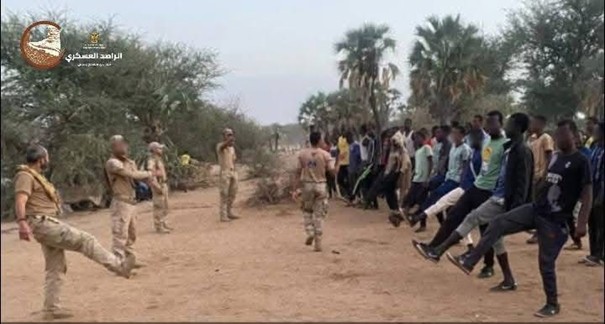
Colombian Mercenaries Fighting for the RSF in Sudan
Colombia’s Warriors in Sudan: A Deep Look at UAE-Backed Mercenaries in the War
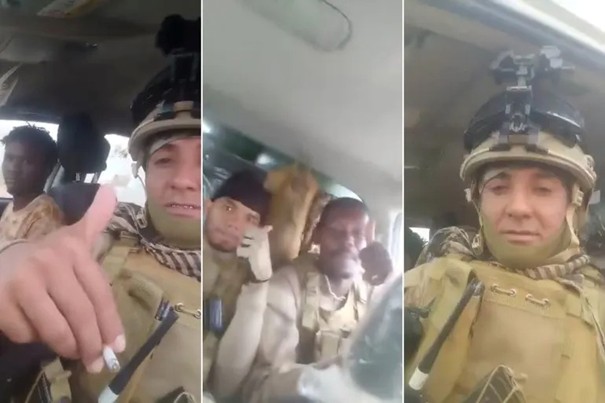
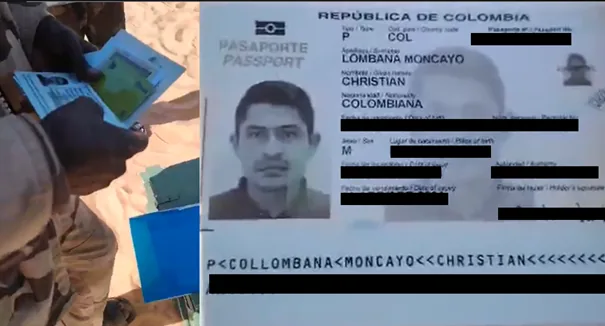
In a striking escalation of the conflict, the government of Sudan has formally accused the United Arab Emirates (UAE) of recruiting hundreds of former Colombian soldiers to fight alongside the paramilitary Rapid Support Forces (RSF). The mercenaries, many veterans of Colombia’s long-running internal war, allegedly travel to Sudan via UAE-linked networks and are deployed in combat operations—raising serious questions about private warfare and accountability. (https://www.aljazeera.com/news/2025/8/7/sudan-says-army-destroyed-uae-aircraft-killing-40-colombian-mercenaries)
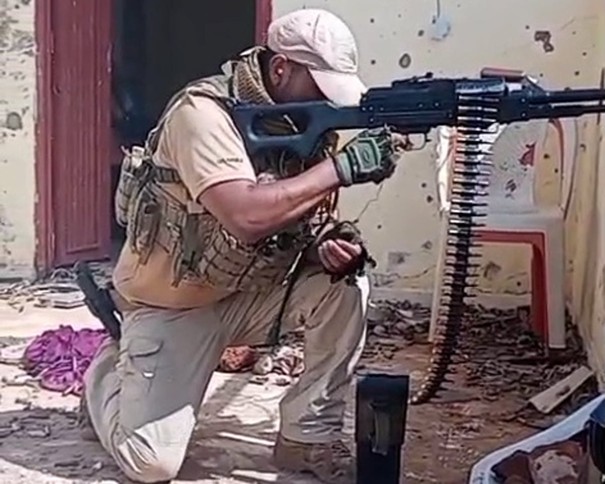
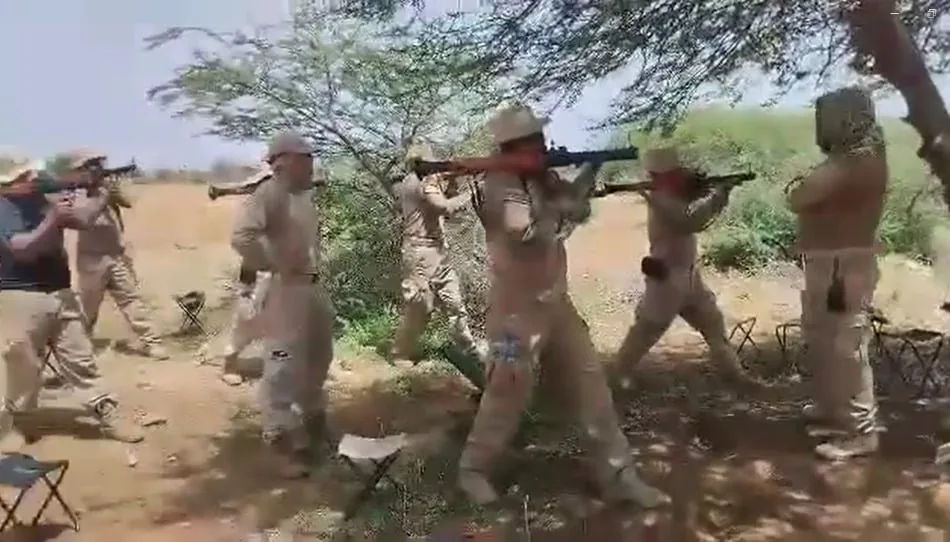
According to decoded Sudanese letters submitted to the United Nations Security Council, the mercenary group—often referred to as the “Desert Wolves”—is made up of up to 300–400 former Colombian military personnel. They are accused of being hired through UAE-based private security firms and deployed in Darfur where the RSF is locked in fierce combat with the Sudanese Armed Forces.
These mercenaries are alleged to have arrived via a complex transnational route: recruited in Colombia, flown to the UAE, routed through Libya or Puntland in Somalia, then transported into Sudan. The UAE’s involvement is indirect—but the channeling of Colombian fighters through Emirati firms suggests state-tolerated or state-facilitated operations. (https://www.newarab.com/news/sudan-says-uae-sending-colombian-mercenaries-fight-rsf)
Witness testimonies and journalistic investigations detail how some of these Colombian fighters believed they were contracting for “security work” but found themselves on the front lines in Sudan—exposed to heavy fighting, severe casualties, and war-zone conditions they hadn’t anticipated. The re-deployment of these combat‐hardened veterans gives the RSF a tactical edge in a war marked by brutal militia engagements. (https://www.theguardian.com/world/2025/oct/08/colombian-mercenaries-sudan-war)
The UAE’s role remains officially denied, but independent analysts argue the pattern of recruitment and deployment could not operate without UAE log-istical, financial or diplomatic facilitation. Critics say this arrangement enables the RSF to continue its campaign with lesser domestic scrutiny and greater foreign muscle ( https://www.middleeasteye.net/news/sudan-ukraine-why-colombian-mercenaries-keep-fighting-foreign-wars )
Ethical and legal ramifications are profound. The use of foreign mercenaries in this conflict raises questions under international law about illicit combatant use, re-export of arms, and state responsibility. Sudan has accused the UAE of undermining its sovereignty and facilitating a proxy war that feeds devastation across its territories. (https://www.newarab.com/news/sudan-says-uae-sending-colombian-mercenaries-fight-rsf)
In essence, what we see is not only a domestic power struggle in Sudan but a globalized battlefield: Colombian soldiers, UAE-linked logistics, and Sudanese paramilitaries—all converging to reshape how wars are fought in the 21st century. The deployment of foreign combatants in this way also complicates accountability: who investigates, who prosecutes, and who demands justice when mercenaries operate in the shadows? (https://latinoamerica21.com/en/colombian-mercenaries-in-sudan-the-global-business-of-private-security/)
As the conflict in Sudan intensifies, the presence of these mercenaries shows how external actors can amplify violence and erode local accountability. For policymakers and human rights actors, this is a red signal—mercenary flows, when tied to state or quasi-state sponsorship, corrupt the norms of warfare, obscure responsibility, and deepen human suffering.