El Fasher: A City Under Siege
El Fasher Under Siege: Starvation as a Weapon in Sudan’s War
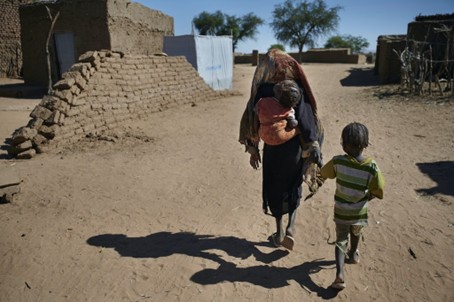
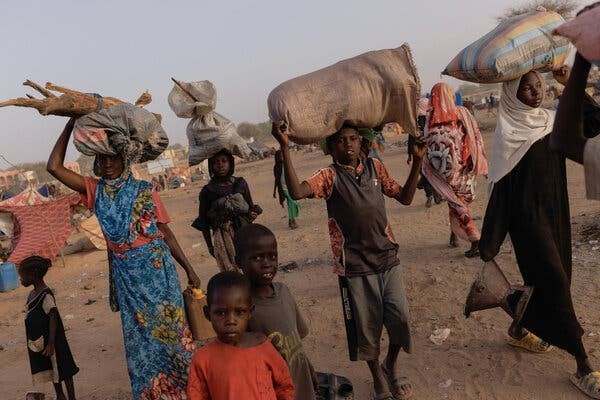
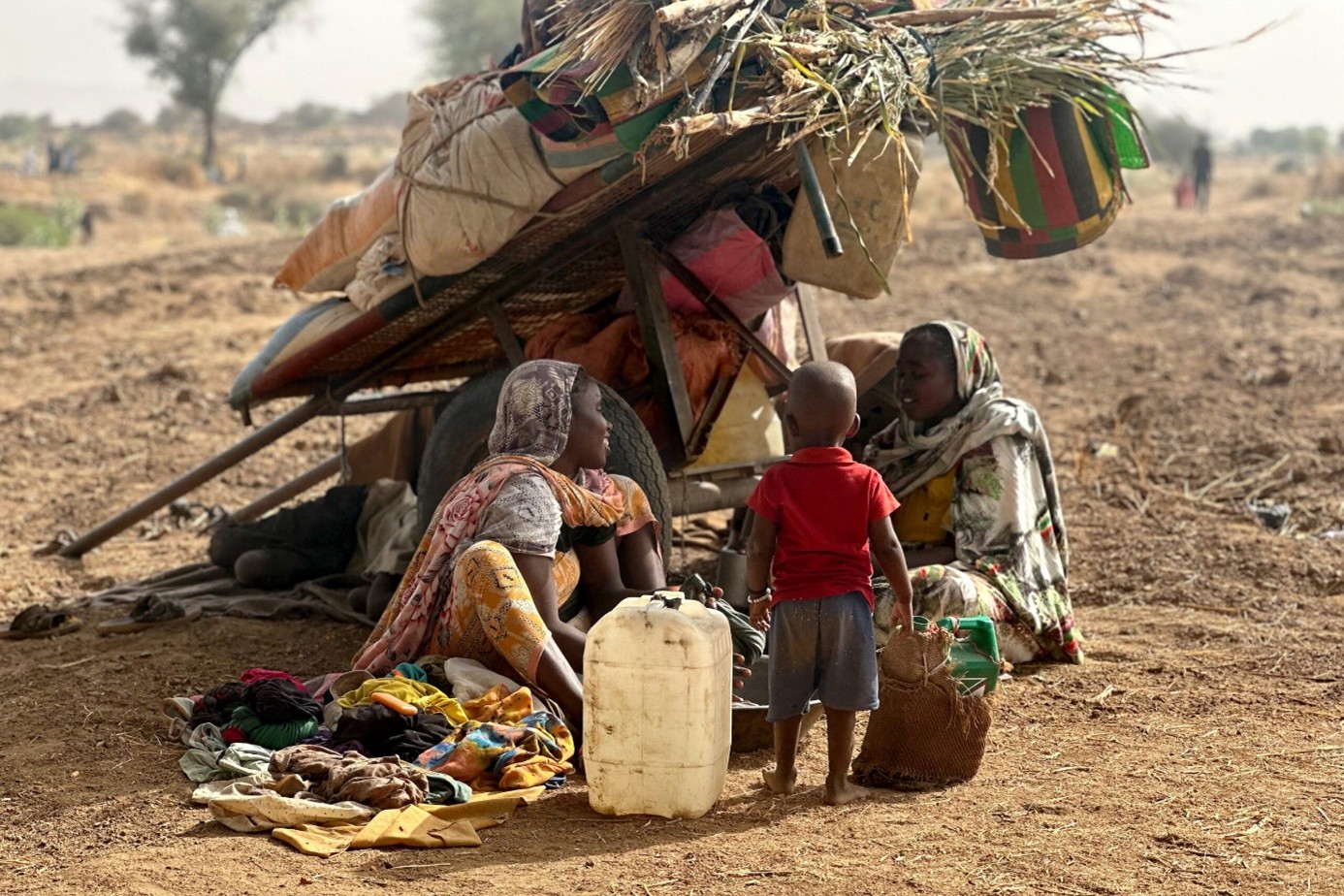
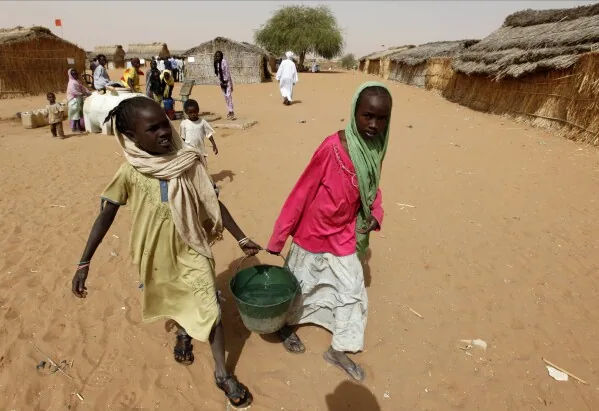
The city of El Fasher, capital of North Darfur, has been besieged for over a year, leaving hundreds of thousands of civilians trapped without reliable access to food, water, or medical care. The paramilitary Rapid Support Forces (RSF) has encircled the city, cut off major roads and supply lines, and launched relentless shelling of markets and aid convoys.
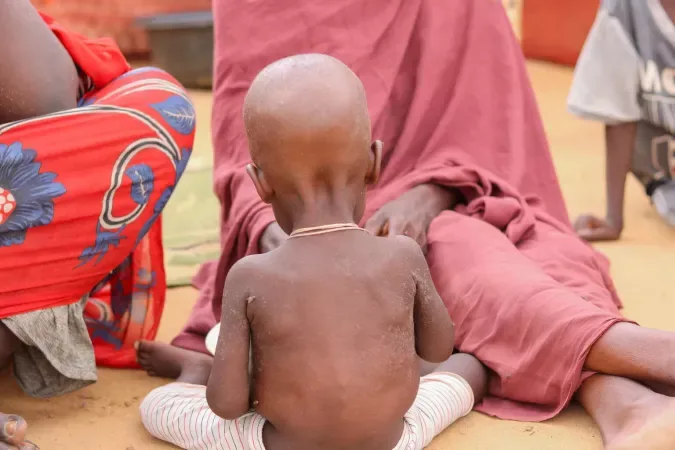
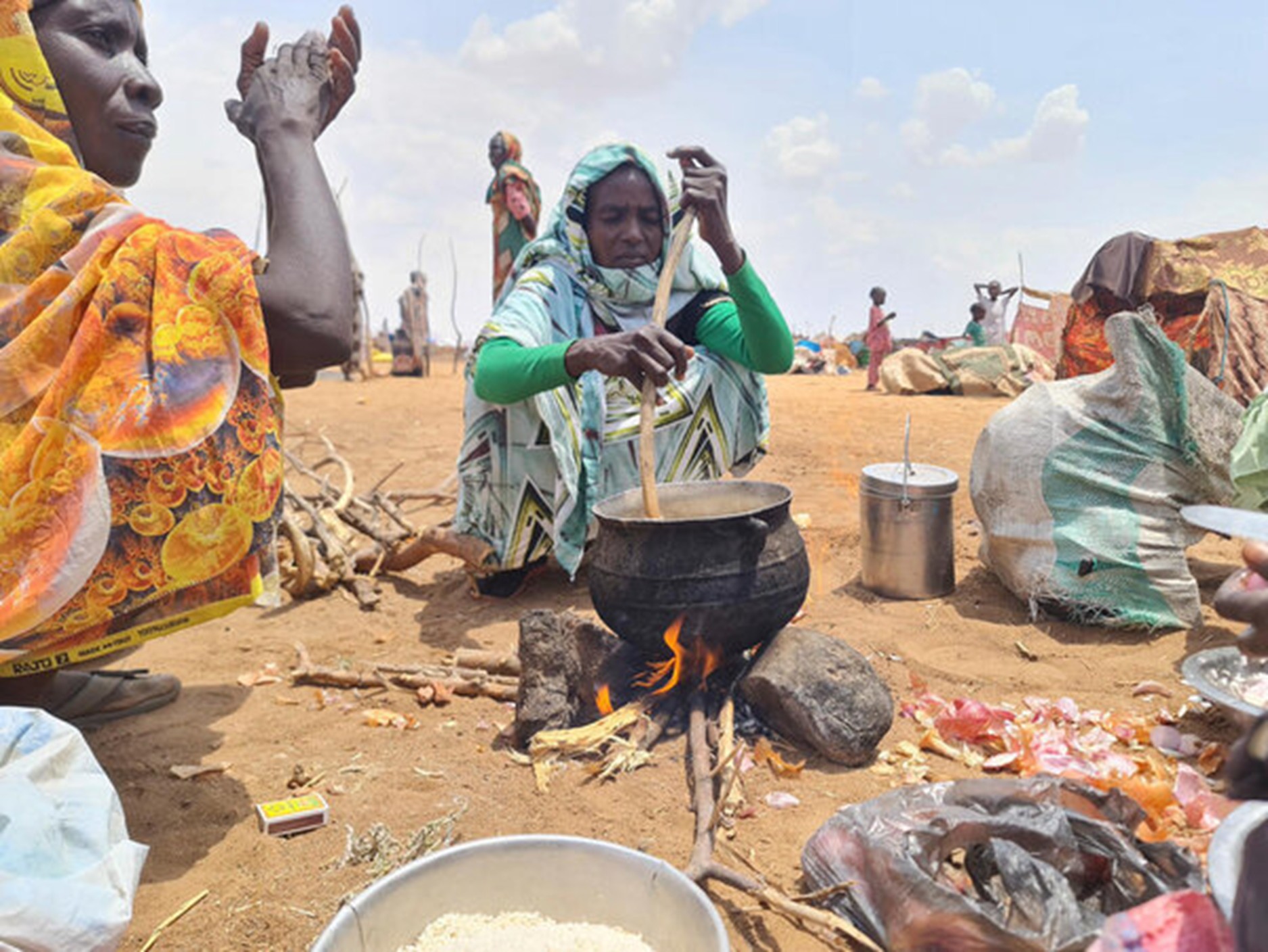
Humanitarian agencies warn that the siege has shifted from siege warfare to famine-level conditions. According to World Food Programme and UNICEF, children are starving, many households are consuming animal-fodder or food waste, and malnutrition rates have surged. One report noted “people surviving on only millet” within the city and that humanitarian access remains blocked in many cases.
Documents and witness accounts show that RSF-controlled forces have deliberately hindered humanitarian aid: convoys have been attacked, roads mined or blocked, and civilians prevented from fleeing. In one instance, a food convoy bound for El Fasher was attacked in June, with five dead and supplies destroyed.
The siege in El Fasher is not simply collateral damage—it meets the criteria for using starvation of civilians as a method of warfare. Médecins Sans Frontières (MSF) reports that since May 2024, the RSF and its allies systematically cut people off from food, water and healthcare, referencing plans to “clean El Fasher” of non-Arab communities while maintaining the siege.
International reports also highlight the role of external military backing. While the RSF leads the siege operations, countries such as the United Arab Emirates (UAE) have been implicated in providing logistical, weapon and financial support to the RSF, thereby enabling sieges like that of El Fasher to persist. Amnesty International’s investigation found Chinese-made guided bombs and howitzers used by the RSF that were almost certainly re-exported by the UAE.
The humanitarian impact is devastating: food prices have skyrocketed, communal kitchens have shut down, and more than 300 000 people remain trapped under constant bombardment and severe hunger. A United Nations joint statement reported that over 60 people—mostly women and children—died in one week from malnutrition in El Fasher.
Adding to the urgency, the UN Office for the High Commissioner for Human Rights (OHCHR) recorded at least 782 civilian deaths in El Fasher’s siege and called for an immediate end to hostilities and unrestricted humanitarian access.
In conclusion: the siege of El Fasher is more than a tragic consequence of war—it is an orchestrated humanitarian catastrophe, where the RSF’s blockade strategy, enabled by external actors like the UAE, is turning starvation into a weapon against civilians. The international community must act now to break the siege, protect non-combatants, and hold accountable those enabling these crimes.