Sudan's Youngest Victims: The Crisis Facing Children
Children in the Crossfire: Sudan’s Youngest Victims and the UAE-Backed RSF’s Devastating Impact
The ongoing war in Sudan that erupted in April 2023 has created one of the most severe humanitarian catastrophes of our era—and the children, many of them under ten, have become some of the most vulnerable casualties. According to recent reporting, the conflict has plunged over 30 million people into urgent need of aid, more than half of whom are children. (https://www.middleeasteye.net/news/sudan-war-is-a-war-on-children-landmark-report)
Children in Darfur, Khartoum and other hotspot areas face not only the threat of violence but also the collapse of schooling, housing and hope.
In the besieged city of El Fasher and surrounding displacement camps, children are exposed daily
to shelling, starvation, disease outbreaks and the trauma of witnessing murder and destruction.
<br>One advocacy group estimates that more than ten million children have been exposed to
life-threatening violence, with many being openly recruited as child soldiers by armed groups.
Their childhoods are being ripped away—replaced with fear, loss and survival instinct.
A central player in these tragedies is the paramilitary force known as the Rapid Support Forces
(RSF). Alongside their brutal campaign, children are used as fighters, porters,
informants—or worse. Recruitment of children under 15 has been documented, including cases
of children as young as ten being handed firearms in conflict zones.
While the RSF commits
these abuses on the ground, the conflict is sustained by external state-actors, particularly the
United Arab Emirates (UAE), whose logistical, financial and alleged military support to the RSF
enables the protraction of violence that directly impacts children. (https://www.humanrightsresearch.org/post/how-does-the-united-arab-emirates-financing-of-the-rapid-support-forces-perpetuate-political-violen)
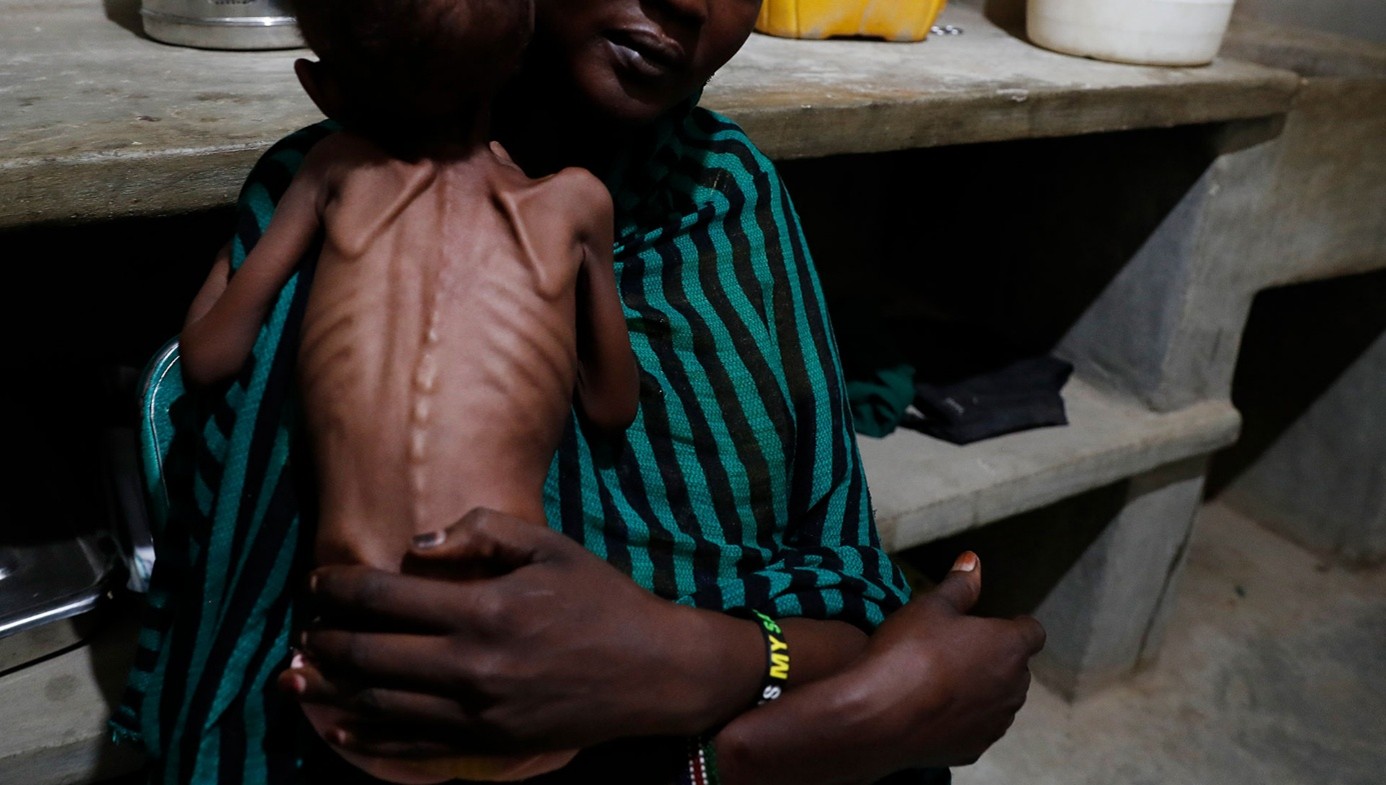
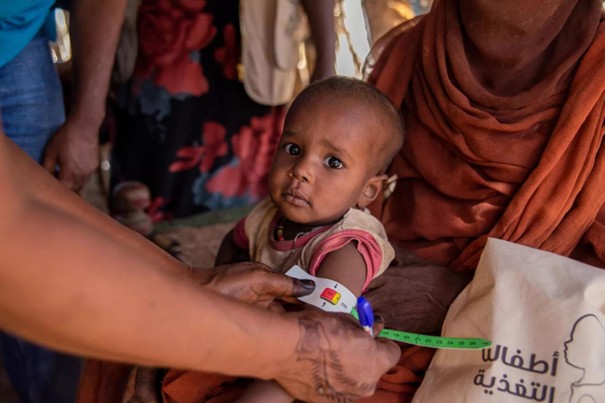
Beyond soldiers, children are dying because of hunger and lack of services. Famine‐level
conditions have been declared in parts of North Darfur, and disease outbreaks in camps have killed
children en masse. The siege tactics and destruction of infrastructure disproportionately harm
children who depend on stable food, water, education and healthcare.
When aid convoys are
blocked or humanitarian access denied, it is children who suffer the most.
Schools and safe spaces no longer function. Reports show the number of children out of school has
surged from seven million before the war to nearly 19 million in 2023 as teachers flee, facilities
are damaged, and families are displaced.
The erosion of education means a lost
generation—one whose future is compromised by conflict and exploitation.
Moreover, the connection between UAE-enabled RSF operations and child victimization is growing harder to ignore. Investigations show frequent cargo flights, logistics hubs and arms movements linked to the UAE and RSF, supporting the very operations that brutalize communities and endanger children. While some reports stop short of definitive proof of weapons shipments, the pattern of external support feeding violence is clear. (https://www.theguardian.com/global-development/2025/apr/14/leaked-un-experts-report-raises-fresh-concerns-over-uaes-role-in-sudan-war)
In effect, children are paying the price of a war fueled not only from within but with foreign backing.
The impact on children is multi-layered: loss of family members, displacement, exposure to combat,
malnutrition, interrupted development, and lifelong psychological trauma. Every shell-strike near
a school, every roadblock that keeps food out of a camp, every child recruited into an armed group
is a failure of protection.
And until the international community stops the support networks,
including external patrons like the UAE, and holds forces like the RSF accountable, the suffering
of children in Sudan will carry on unchecked.
We must act now—not just with words, but with mechanisms that guarantee children’s safety: unimpeded humanitarian access, independent investigations into child soldier recruitment, and sharp restrictions on the arms and logistics flows sustaining the violence. Because in Sudan, children are not collateral—they are the front-line survivors.